
Multi-brand DTC E-Commerce Platform for Healthcare
We delivered a fully integrated B2B/B2C eCommerce platform for the DACH healthcare market. We built an enterprise-grade, content-driven architecture with a headless CMS supporting multi-brand governance and structured editorial workflows. Alongside custom eCommerce flows and deep integrations such as DockCheck and Microsoft Business Central, we executed a full SEO and content strategy, resulting in continuous growth and over 20,000 monthly organic visitors.

The team covered everything we needed to launch a digital presence for our family of healthcare brands, delivering a full DTC eCommerce platform with custom brand stores, a dedicated B2B shop and ERP integration, all centrally managed via Shopify Plus backend.
Challenge
Balancing Regulation, Flexibility, and eCommerce Innovation in Healthcare
The client, a pharmaceutical enterprise, needed a digital platform capable of operating within a strict regulatory environment while supporting rapid growth across multiple brands. Standard enterprise systems - such as Salesforce, Microsoft Commerce, Adobe Experience Cloud, or Sitecore - were evaluated but ultimately ruled out. Either they could not accommodate the required compliance workflows or they demanded costly and lengthy customizations that would slow down the project.
At the same time, the client needed a platform flexible enough to keep pace with the fast-moving digitalization of healthcare services. The technology stack had to be modern, scalable, and adaptable to both B2B and B2C use cases.
Discovery Phase
We began with a focused 3-month Discovery phase, working closely with the client’s Digital Transformation, IT, Sales, Marketing, Wholesale, and Legal teams to align business goals, processes, and constraints. Together, we defined the platform’s core features, scope, technical approach, and key compliance requirements, evaluated vendors and integrations, and translated these insights into a clear platform blueprint that guided all subsequent implementation steps.
Solution
Backend Architecture & User Identity Management
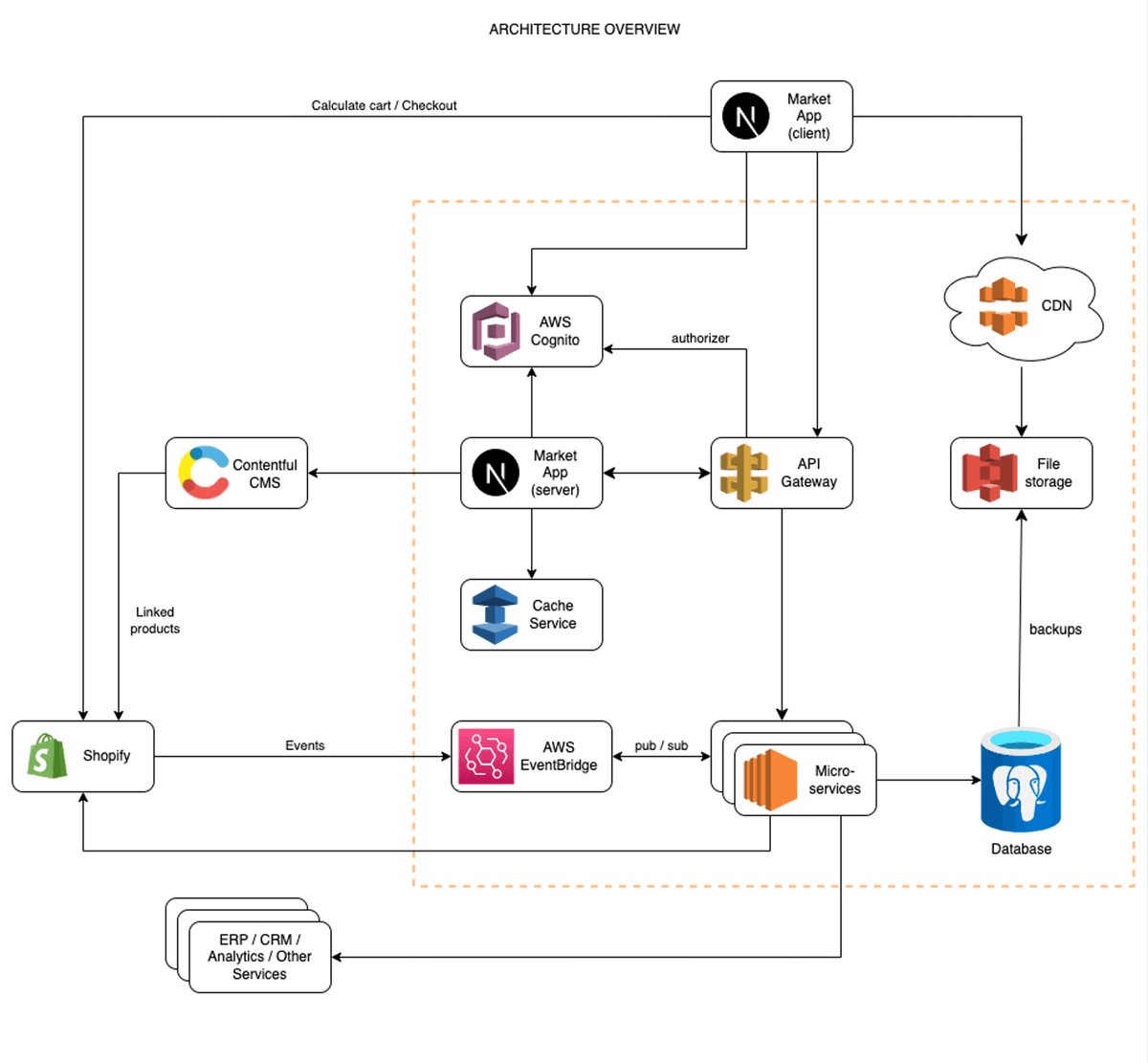
The backend was built with Node.js on AWS Managed Cloud, with AWS Cognito used as the central user identity storage. We implemented a custom signup and login flow on our side and synced user data with Shopify in a headless setup. This approach allowed us to fully own the user identity and tailor the authentication flow to the platform’s needs.
Solution
Headless eCommerce Architecture with Shopify Plus
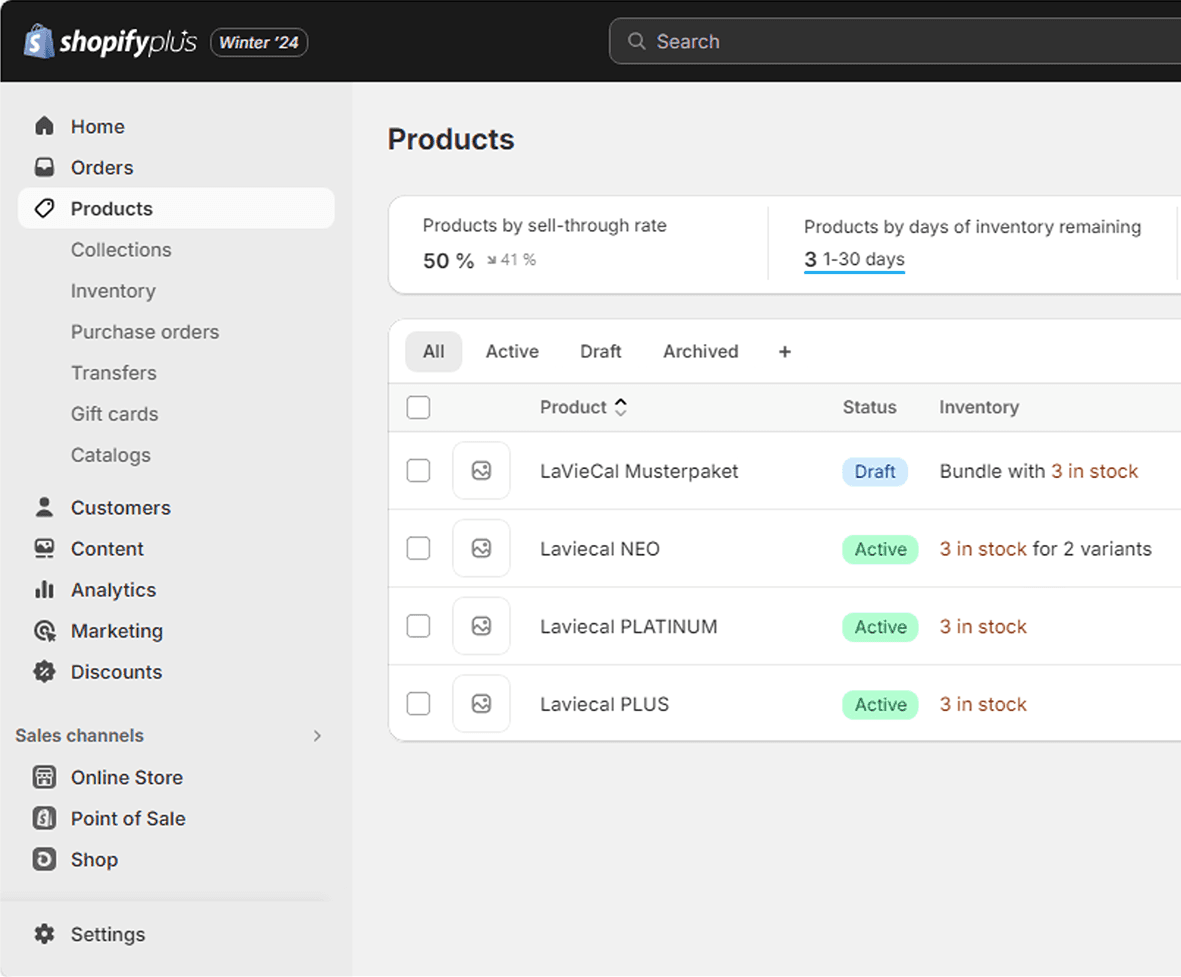
Shopify Plus was implemented as a headless commerce layer to introduce eCommerce capabilities into a custom platform. The Storefront API was used to connect Shopify with a Next.js–based storefront, allowing full control over the user experience. For backend operations, the GraphQL Admin API handled customer and order management. Checkout Extensibility made it possible to adapt purchase flows to specific business rules, while webhooks enabled real-time order synchronization with the 3PL provider.
Solution
B2B Storefront Development on Shopify Plus
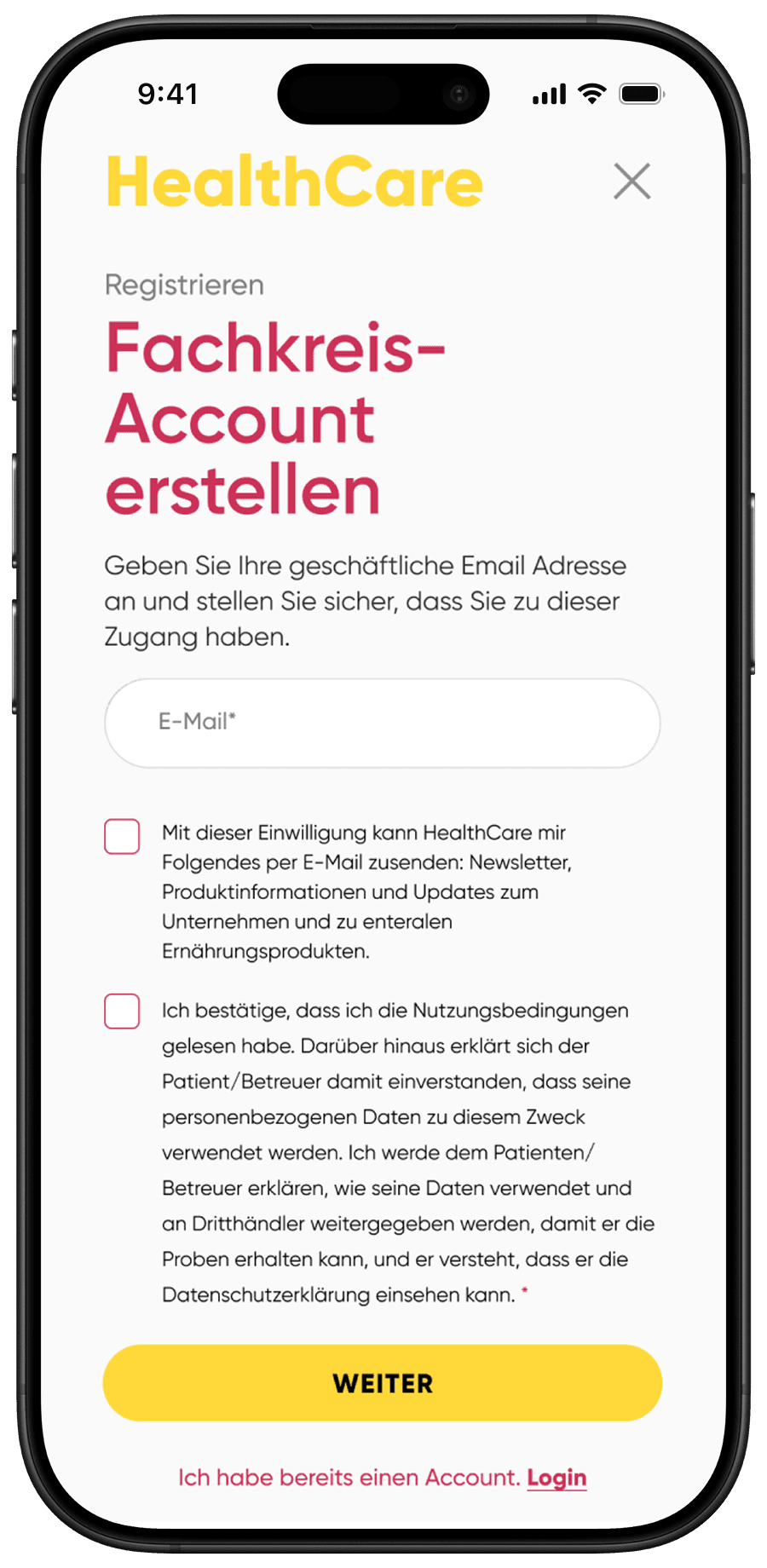
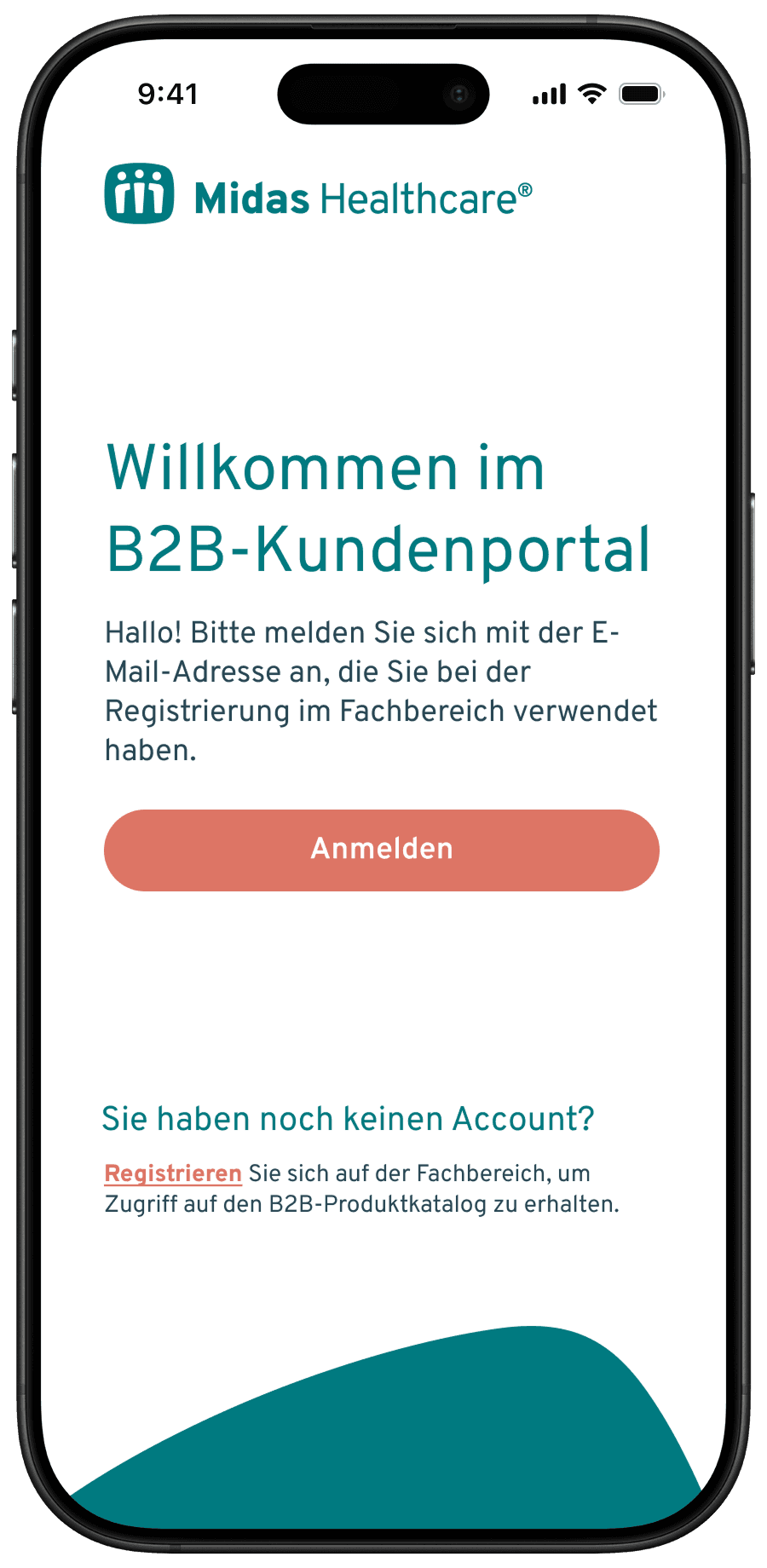
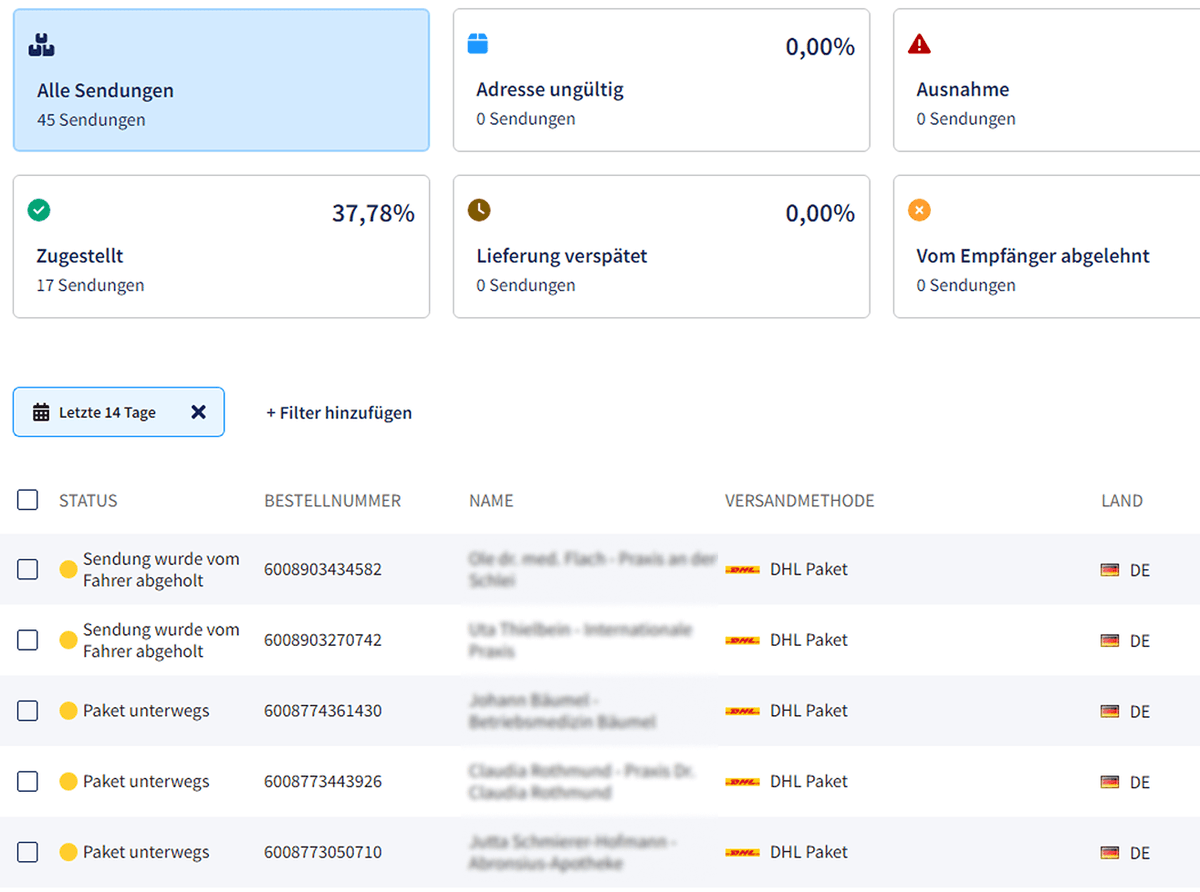
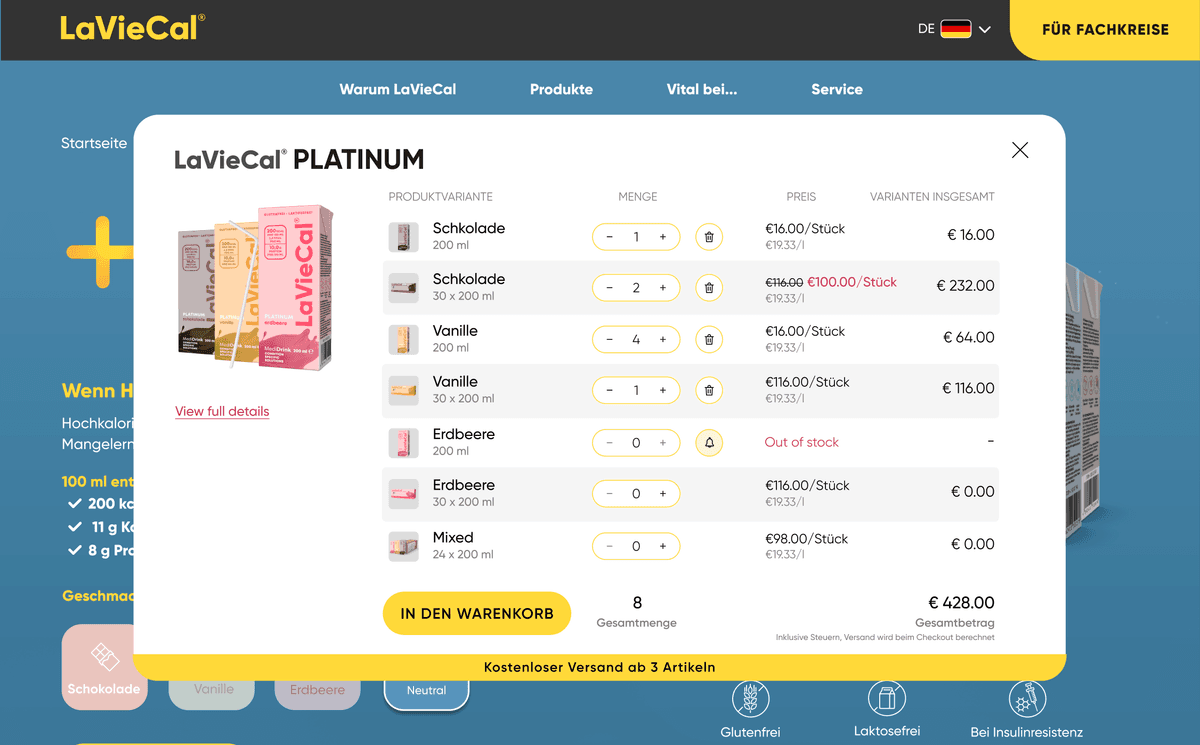
We built a dedicated B2B storefront using Shopify’s native frontend theme and customized it with Liquid to match the client’s business and legal requirements. The checkout flow was adapted to support pharmaceutical-specific rules and constraints. B2B customer registration was handled through a separate custom authentication page. The storefront was connected to the same Shopify organization as a separate channel, operating independently while sharing core commerce infrastructure.
Agile Development Process
The project was delivered using Scrum with two-week sprints, including sprint planning, daily stand-ups, reviews, and regular stakeholder demos. Sprint goals were defined upfront, supported by bi-weekly analytics and SEO reports. A dedicated QA team handled testing and release validation as part of a structured QA and release process.
Solution
Integrated Platform & Analytics
Alongside the core platform development, we implemented advanced analytics using GA and Matomo to give teams clear insight into user behavior and performance. We delivered a refined user experience, a reusable design system, and integrated the platform with custom CRM tools used by the salesforce, enterprise ERP systems such as Microsoft Business Central, and external services including SendCloud, DockCheck, and IhreApotheken. Together, these integrations formed a reliable technological foundation aligned with the client’s long-term digital roadmap.
Project Delivery & Release Strategy
For CI/CD (Continuous Integration / Continuous Delivery), we used a GitHub monorepo with GitHub Actions and AWS Pipelines. Instead of multiple environments, we applied a feature toggle (feature flag) approach, deploying new functionality behind controlled flags. This allowed features to be tested, released, or rolled back independently without impacting the rest of the platform.
Operational & Financial Impact
The strategic choice to avoid monolithic enterprise systems also brought clear financial advantages. By relying on a modular, cloud-native stack, the client avoided more than $250,000 in annual enterprise licensing costs, freeing budget for marketing, content, and brand work. Once the content workflows were established, the marketing and SEO teams gained full autonomy over updates and campaign preparation, which helped reshape the site’s content structure and strengthen the client’s search presence.
SEO Impact & Organic Growth
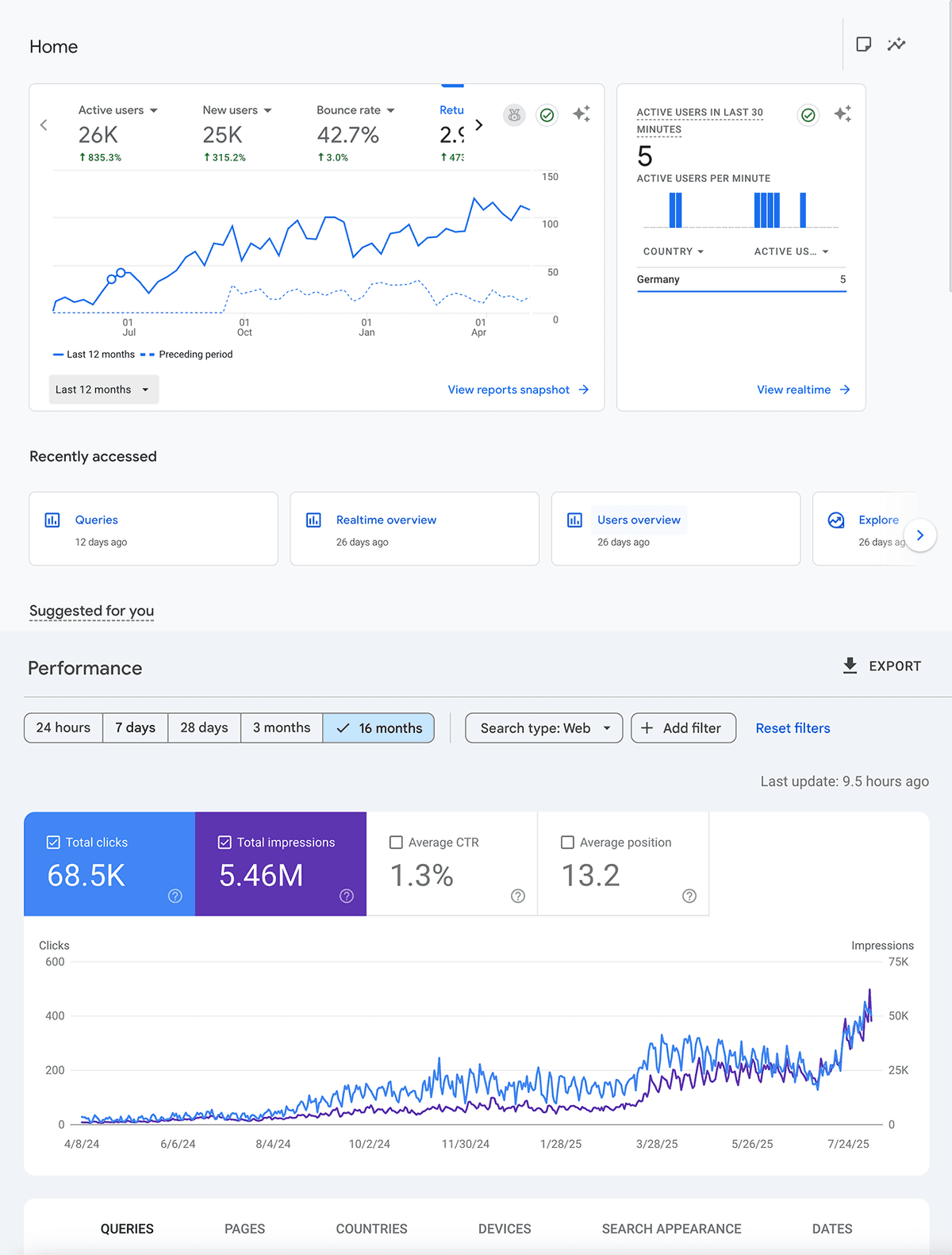
As part of the platform rollout, we introduced a full SEO foundation including keyword research and semantic core development, content structure optimization, technical SEO, internal linking, and structured data (JSON-LD). Content workflows were aligned with SEO best practices to support long-term organic growth. Within the first 12 months, organic performance reached ~15,000 estimated monthly visits (Ahrefs), ~5,000 clicks in Google Search Console, and ~3,300 active users in Google Analytics. Even after SEO activities were paused, traffic continued to grow, reaching ~26,000 estimated monthly visits, ~8,000 clicks, and ~4,700 active users in months 13–16.
Technologies We Used
Frontend

React

Next.JS

Hydrogen
Backend

Node.js

GraphQL

PostgresQL
Integrations

Sendcloud

DocCheck
MS Business Central

Contentful
AWS Cognito

Shopify Plus
Tools & Services

Matomo Analytics

Ahrefs
Hosting

AWS